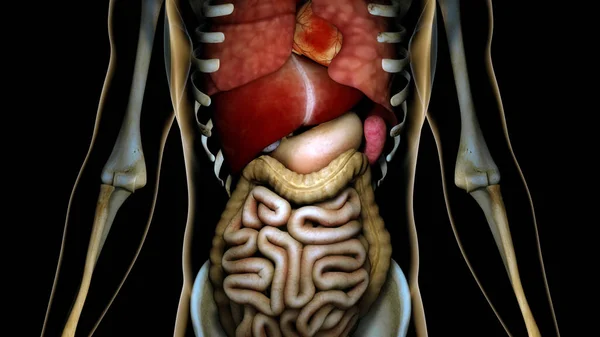

Learn about 10 healthy foods and simple tips to improve lung health, help reduce inflammation, and strengthen breathing against air pollution.
Keeping your lungs healthy is important for your overall well-being. Common harmful factors like cigarette smoke, environmental toxins, and an unhealthy diet, can damage your lungs. Conditions such as asthma, chronic obstructive pulmonary disease (COPD), and pulmonary fibrosis can also lower your quality of life. Research published in Nutrients shows that lifestyle changes, notably a nutrient-rich diet, can help protect the lungs and reduce symptoms and damage from lung disease. Specific nutrients and foods support lung function.
Which foods are good for lung health?
Dr Narendra K Shetty, Naturopathic Doctor at Kshemavana Naturopathy and Yoga Centre, shares 10 food choices and notes that simple changes to our daily habits can improve lung health and reduce the impact of pollution.
-
Leafy greens
Spinach, kale, and collard greens are great for your health. They are full of vitamins and minerals that help reduce inflammation. “These greens are high in antioxidants, which fight harmful particles in the body that can worsen lung damage from pollution”, Naturopathic Doctor Dr Narendra K Shetty, Kshemavana Naturopathy and Yoga Centre, tells Health Shots. If you want an easy way to include these greens in your diet, try blending them into a morning smoothie for a quick nutrient boost.
2. Nuts
Almonds, walnuts, and hazelnuts are high in vitamin E, which helps protect cell membranes from damage. Eating a small handful of nuts each day, whether as salad toppings or snacks, can help protect your lungs from the harmful effects of air pollution.
3. Spice up your meals
Adding turmeric or ginger to your meals can be very beneficial. These spices provide more than just flavour; they have anti-inflammatory effects. “Turmeric contains curcumin, which helps reduce inflammation and supports lung health”, says the doctor. Ginger helps break down mucus in the lungs. You can easily boost your respiratory health by adding turmeric to your curries or ginger to your morning tea.
4. Fish for omega-3s
Fatty fish such as salmon, sardines, and mackerel are beneficial for lung health. These fish are high in omega-3 fatty acids, which can help reduce lung inflammation. A study by the National Institutes of Health shows that people who eat more omega-3s tend to have better lung function, especially after exposure to air pollution. “Try to eat two servings of fish each week to support your lung health”, says the Naturopathic Doctor.
5. Berries
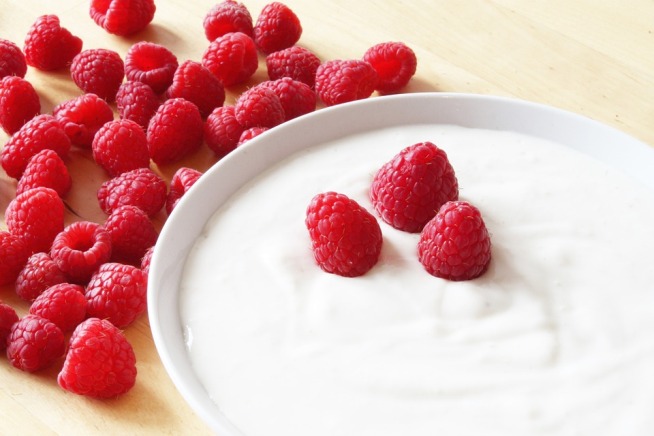
“Blueberries, strawberries, and blackberries are high in vitamin C and flavonoids, which help strengthen your immune system and reduce oxidative stress”, says Dr Shetty. You can add them to your breakfast cereal, toss them in a salad, or enjoy them as a snack to benefit your respiratory health.
6. Ditch the processed foods
To keep your lungs healthy, add good foods and remove harmful ones. Processed foods with preservatives and unhealthy fats can cause inflammation. “Instead, choose whole, unprocessed foods that support your lungs”, says the expert. Focus on fresh fruits, vegetables, whole grains, and lean proteins.
You may also like


7. Stay hydrated
Water is important for keeping your lungs clear and healthy. Drinking enough water helps thin the mucus in your respiratory system, making it easier to clear harmful particles. “Make sure to drink enough water throughout the day”, shares the expert. You can also try herbal teas or broths, which add extra antioxidants and warmth to soothe your airways.
8. Indoor air quality
Indoor air quality is as important as outdoor pollution. To improve indoor air quality, regularly open windows and use HEPA air purifiers. “Choose natural cleaning products to lower indoor pollutants”, says the expert. Try to limit candles, air fresheners, and synthetic fragrances, as they can irritate your lungs.
9. Breath-boosting exercises
To strengthen your lungs, it’s important to stay active. Exercises such as yoga and Pilates improve your breathing and help you become more aware of proper technique. Focusing on deep, intentional breathing during these activities can improve lung function and support overall respiratory health.
10. Be mindful of your environment
To protect your lung health, stay aware of your environment. Check local air quality reports to help you plan your daily activities. On days with high pollution, reduce outdoor activities, especially intense exercise, to limit your exposure to harmful particles.