
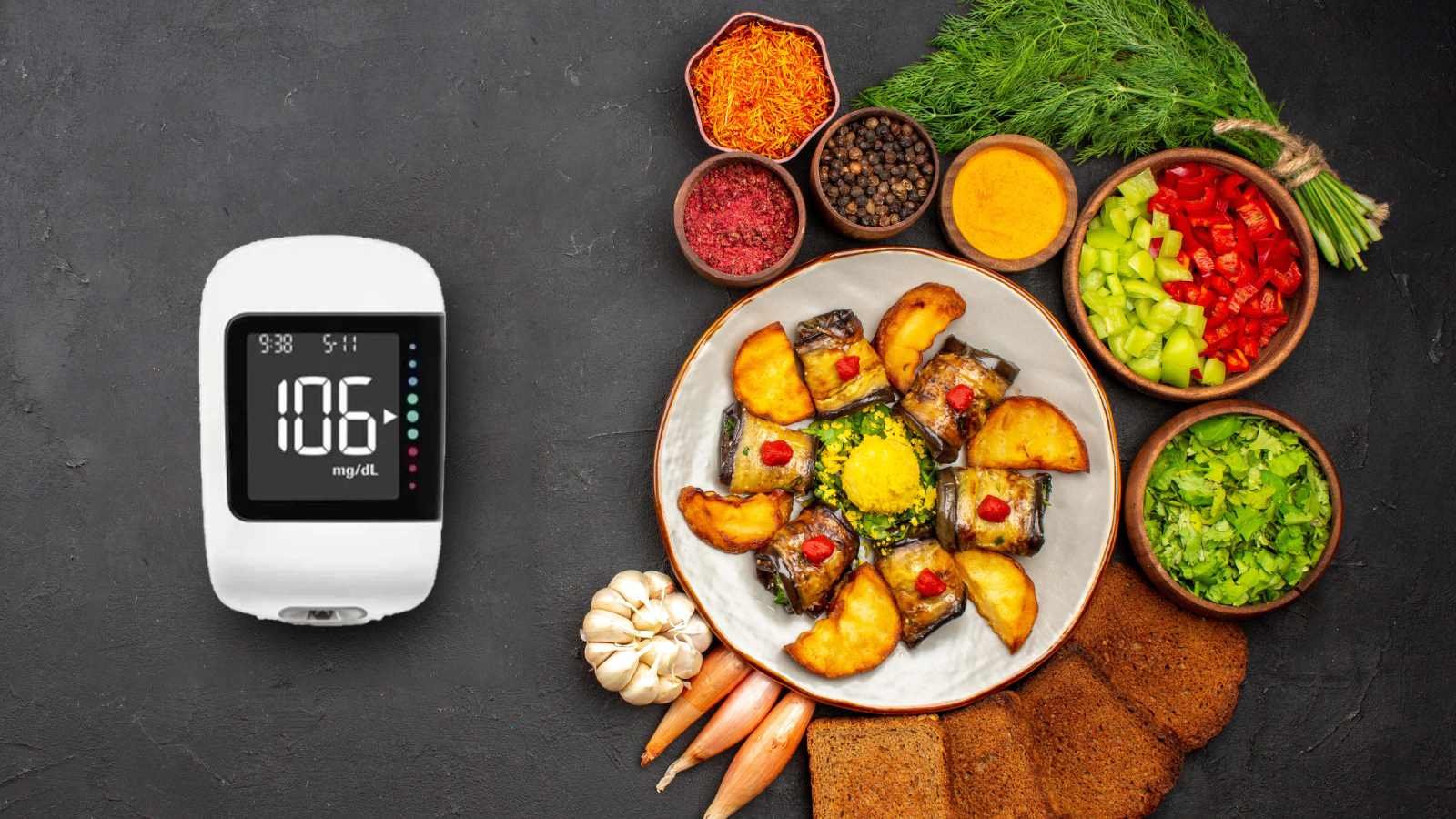
Cutting carbs over choosing the right ones? 6 diet tips focus on fibre, balance, and consistency to help keep blood sugar levels steady.
Managing diabetes goes far beyond eating meals on time or avoiding sweets. What truly matters is the overall quality of your diet and how consistently it supports stable blood sugar levels. The foods you eat directly affect insulin response, energy levels, and the risk of long-term complications like heart disease. While many people assume diabetes diets are restrictive, the reality is quite the opposite.
According to dietitian Riya Desai, focusing on fibre-rich, nutrient-dense foods and reducing consumption of highly processed foods can improve blood glucose control and enhance sustainability. The goal is not perfection, but balance, choosing foods that digest slowly, keep you fuller for longer, and prevent sudden glucose spikes.
6 diet tips to manage diabetes
Here are 6 science-backed dietary approaches that can help manage diabetes more effectively.
Why is the Mediterranean diet ideal for diabetes control?
The Mediterranean diet is widely recommended for its heart and metabolic benefits. It emphasises fruits, vegetables, whole grains such as quinoa and barley, healthy fats such as olive oil, nuts and seeds, and lean proteins such as fish and legumes. These foods are rich in fibre and antioxidants, which help reduce inflammation and improve insulin sensitivity. Desai notes that replacing refined grains with whole grains provides steady energy instead of sharp blood sugar spikes.
Can a low-carbohydrate diet stabilise blood sugar levels?
Reducing carbohydrate intake, especially refined carbs like white bread and sugary snacks, can help regulate glucose levels. A study published in Frontiers in Nutrition found that low-carbohydrate diets improved glycemic stability in individuals with diabetes. This approach emphasises non-starchy vegetables, high-quality proteins such as eggs, tofu, and lean meats, and healthy fats such as avocados and olive oil.

How does the DASH diet benefit people with diabetes?
Originally designed to manage high blood pressure, the DASH diet is particularly helpful for people with diabetes who are at higher risk of hypertension. It encourages fruits, vegetables, whole grains, lean proteins, and low-fat dairy while limiting sodium and processed foods. According to the American Diabetes Association, this balance supports both glycemic control and cardiovascular health.
Is a plant-based diet good for blood sugar management?
A plant-based diet prioritises vegetables, fruits, legumes, whole grains, nuts and seeds while minimising animal products. These foods are naturally high in fibre and low in saturated fat. A study in the Journal of Geriatric Cardiology found that plant-based diets can improve insulin sensitivity and reduce the risk of type 2 diabetes.
Does the paleo diet improve glycemic control?
The paleo diet focuses on whole, unprocessed foods such as lean meats, fish, vegetables, fruits, nuts, and seeds while avoiding grains, sugar, and processed foods. A study published in the Journal of Diabetes Science and Technology reported improvements in blood glucose control, weight, and blood pressure among individuals following this diet.
You may also like


Why choose a low–glycemic index diet?
Low-GI foods digest slowly, preventing sudden spikes in blood sugar. Foods such as lentils, legumes, green vegetables, whole grains, and most fruits help maintain stable blood glucose levels. Desai explains that consistently choosing low-glycemic-index (GI) foods can improve long-term glycemic control and cardiovascular health.
The best diabetes diet is one you can follow consistently. Focusing on whole foods, fibre, and balance, rather than extremes, makes blood sugar control more practical and sustainable.