
Lower your cortisol levels and reduce stubborn belly fat with simple practices like mindfulness, exercise, a healthy diet, and better sleep.
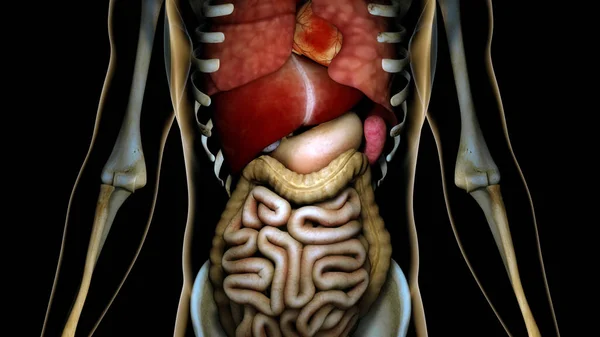
Belly fat is hard to lose and can affect both your physical and mental health. While it’s important to feel good about your body, too much belly fat can lead to serious health issues like diabetes, liver problems, and heart disease. This fat surrounds your internal organs, which makes it even more concerning.
How does cortisol affect belly fat?
Cortisol is the body’s main stress hormone, made by the adrenal glands. “It is involved in several body functions, including metabolism and the fight-or-flight response. When stress is constant, cortisol levels can rise,” fitness expert Wanitha Ashok tells HealthShots.
This increase can lead to the body storing more fat, especially around the abdomen. A study in Biochemical Pharmacology shows that people with higher cortisol levels often have more visceral fat, which not only changes how they look but can also lead to serious health issues.
Which emotions release cortisol?
Stress raises cortisol levels and alters behaviour. When stressed, we often crave high-calorie comfort foods, which leads to unhealthy eating habits. “This mix of body responses and behaviour creates a tough cycle to break”, says Ashok. Knowing how cortisol is linked to belly fat is an important first step towards achieving a flatter midsection.
How do you reduce cortisol to lose belly fat?
How does cortisol affect belly fat? Here are five simple ways to reduce stress hormones and reclaim your waistline.
-
Practice mindfulness and meditation
Mindfulness can be powerful. Research published in Frontiers in Physiology shows that mindfulness practices, such as meditation and deep breathing, can lower cortisol levels, helping reduce stress. “Spend a few minutes each day sitting quietly, focusing on your breath, and clearing your mind”, says the expert. Just ten minutes can make a difference. A study in Health Psychology found that people who practice mindfulness have lower stress levels and can lose weight as a result.
Mindfulness helps reduce stress and improves your relationship with food. “When you feel calm and in control, you are more likely to choose healthy foods instead of sugary snacks during stressful times”, says Ashok.
2. Get moving with purpose
You might think, “I already exercise!” But are you moving in the right way? Regular physical activity is a great natural way to reduce stress. “Aerobic exercises like running, cycling, or swimming can lower your cortisol levels”, says the expert. A study published in the Journal of Clinical Endocrinology & Metabolism found that 30 minutes of moderate exercise can temporarily reduce cortisol levels.

In addition to cardio, add strength training to your routine. “Lifting weights helps build muscle and boost your metabolism, making it easier to lose fat than with cardio alone,” says the fitness expert. Aim for a workout plan that includes both aerobic and strength exercises to address the cortisol belly from different angles.
You may also like


3. A balanced diet
Stress can lead to unhealthy food choices, but what you eat can also affect your cortisol levels. “To help manage stress, eat a balanced diet rich in whole foods such as fruits, vegetables, lean proteins, and healthy fats”, says Ashok. These foods provide your body with the nutrients it needs to function well and can help regulate hormone levels.
Omega-3 fatty acids in fish such as salmon and walnuts can help regulate cortisol levels. “Dark chocolate also has compounds that reduce cortisol spikes, making it a tasty option in your efforts to combat belly fat”, says the expert. Adding these foods to your diet can help protect against stress-induced weight gain.
4. Sleep hygiene
Never underestimate the importance of a good night’s sleep. “Lack of sleep can seriously impact your mood and lead to higher cortisol levels and weight gain”, says the fitness expert. Research in the American Journal of Epidemiology shows that people who sleep less than 7 hours each night are more likely to become obese because of hormonal imbalances.
Keeping a regular sleep schedule is important. Aim for 7-9 hours of good sleep each night. “Create a relaxing bedtime routine: lower the lights, turn off screens, and read a book”, says Ashok. This will help you create a calm environment, allowing your body to recover and better manage cortisol levels.
5. Stress-reducing hobbies
Remember to add joy to your daily life with activities you love. “Hobbies like painting, gardening, or dancing can help reduce stress”, says the expert. A study in Psychosomatic Medicine found that people who enjoyed their hobbies felt less stressed and had lower cortisol levels afterwards.
Make sure to schedule regular “me time” each week. Set aside an hour for activities you enjoy. “This time can improve your mood and help reduce stress”, says the fitness expert.