
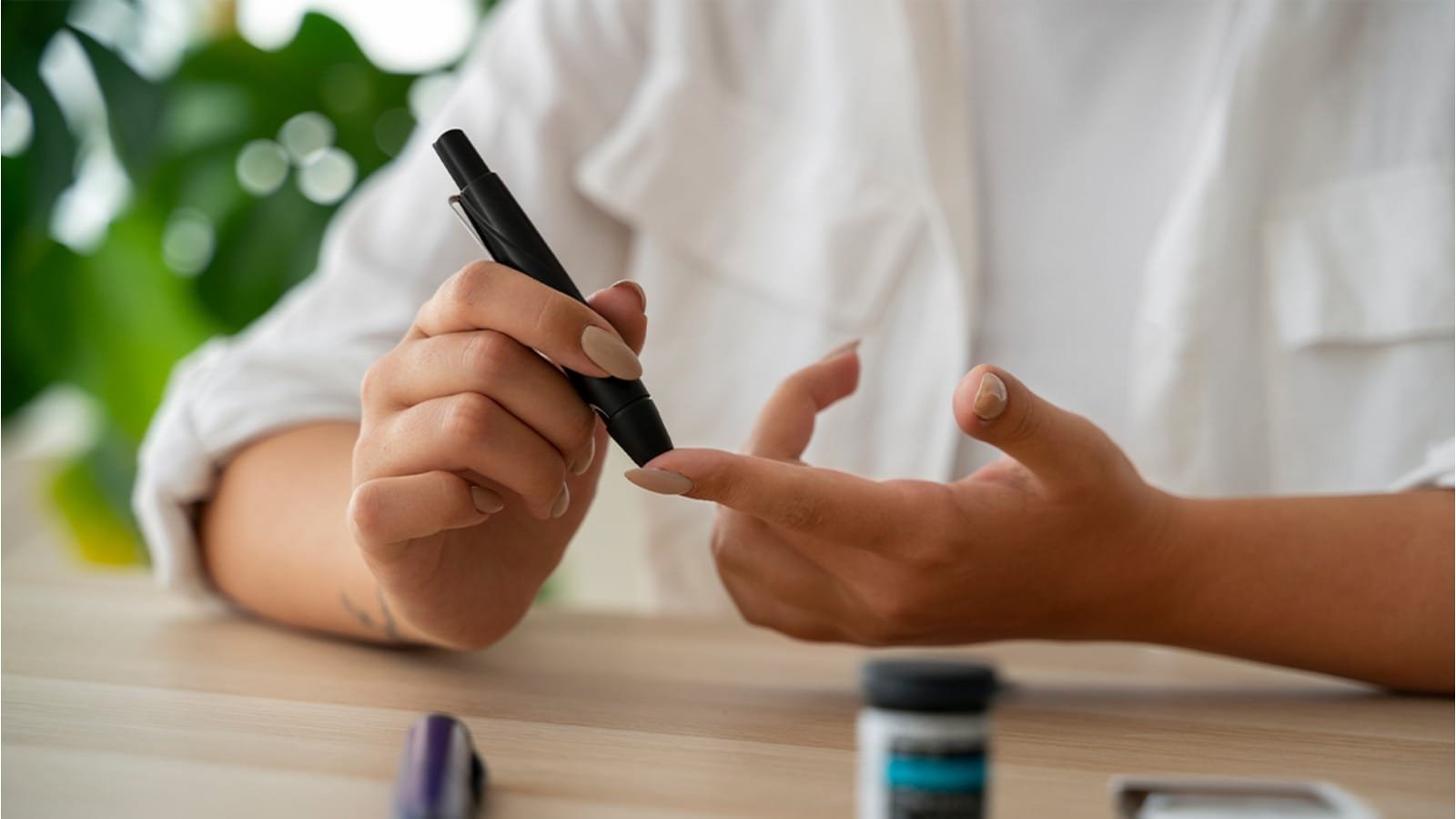
Glycated haemoglobin tests are important for diabetes concerns. G6PD deficiency can affect the accuracy of the results.
The HbA1c (glycated haemoglobin) test, which measures a type of haemoglobin, is often considered the key test in diabetes care. However, recent research published in Lancet Regional Health, Southeast Asia raises important questions about the accuracy of HbA1c readings. This is particularly true for people who have other health issues, like anaemia and blood disorders, which can affect the test results. Why is this important to you? What do these advancements mean for the millions of people with diabetes in India?
What is HbA1c?
The HbA1c test measures average blood sugar levels over the past two to three months. “It does this by measuring the amount of glucose bound to haemoglobin in red blood cells”, Dr Aditya G. Hegde tells Health Shots. While this method appears straightforward and useful, it has limitations. According to a 2023 ICMR-INDIAB study published in The Lancet Diabetes & Endocrinology, in India, about 10.1 crore people have diabetes, and another 13.6 crore are prediabetic.
Anoop Misra, chairman of the Fortis C-DOC Centre of Excellence for Diabetes, clearly expresses this concern: “HbA1c is commonly used because it is simple and convenient, but relying on it alone can misclassify patients, leading to delays in important treatment.”

Does G6PD deficiency cause anaemia?
According to the National Family Health Survey 5 (NFHS-5) conducted in 2019-21, over 57% of women and about 25% of men in India have anaemia. This condition can lower haemoglobin levels and affect HbA1c readings. “Genetic issues like G6PD (Glucose-6-Phosphate Dehydrogenase) deficiency cause red blood cells to break down more quickly, leading to many cases of undiagnosed diabetes”, Diabetologist Dr Rajiv Kovil tells Health Shots.
The consequences of misdiagnosis can be severe; men with undetected G6PD deficiency might wait up to four years for a proper diagnosis, which increases the risk of serious health problems. The authors of the study suggest a better way to diagnose and monitor diabetes: using oral glucose tolerance tests in combination with basic blood tests, combining HbA1c tests with glucose tolerance tests, and continuous glucose monitoring to monitor patients’ blood sugar levels.
Endocrinologist Dr Shashank Joshi tells Health Shots, “A varied approach is needed, especially in areas where anaemia is common. In rural and tribal areas, where anaemia is more frequent, the difference between actual blood sugar levels and HbA1c readings can be much greater.”
Get latest updates on health and wellness along with Health News
Disclaimer: At Health Shots, we are committed to providing accurate, reliable, and authentic information to support your health and well-being. However, the content on this website is intended solely for informational purposes and should not be considered a substitute for professional medical advice, diagnosis, or treatment. Always consult a qualified healthcare provider for personalised advice regarding your specific medical condition or concerns.