
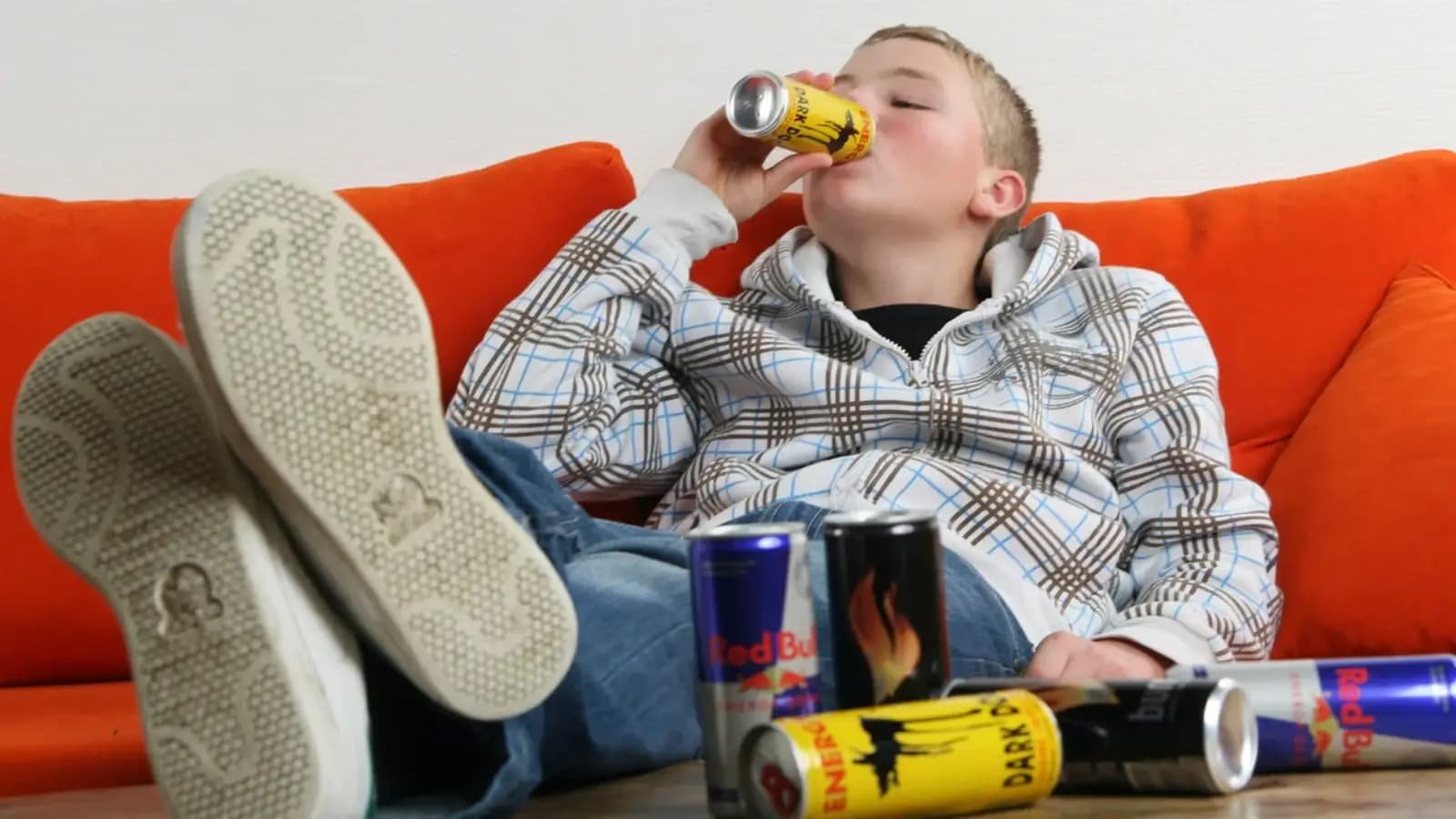
A recent study warns that energy drinks pose severe cardiovascular risks to children and adolescents. Excessive consumption is linked to heart rhythm abnormalities, chest pain, and high blood pressure, making it a critical public health concern for young, developing hearts.
An increasing number of children and teenagers are drinking energy drinks (ED), raising concerns about how these drinks may affect their heart health. Since their bodies are still developing, young people might react differently to the ingredients in these drinks. This new report, published in Cureus, examines the contents of energy drinks and their potential effects on heart function in younger people. It discusses symptoms that doctors have noticed in patients who consume these drinks.
Specifically, it focuses on how drinks with stimulants can affect heart rate, heart rhythm, and blood flow, especially when consumed often or in large amounts. The research also looks at how these drinks can lead to sleep problems and issues with behaviour. It highlights the need for doctors to ask about energy drink use when evaluating young patients with heart issues. It urges increased awareness about how much minors consume these drinks.
Trends in energy drink consumption
Research shows that about 30% to 50% of teens and young adults regularly consume these drinks. As their popularity has grown, so has the number of emergency room visits. A study looked at 32 case reports and 19 clinical trials.
It found that the most common reasons young people go to the hospital include:
- Substernal chest pain
- Palpitations and a racing heart
- Severe nausea and vomiting
- Sudden cardiac arrest
Can energy drinks cause heart problems in young people?
Energy drinks are mainly dangerous because they mix a lot of stimulants, especially caffeine and taurine. “Unlike regular coffee, energy drinks often use special blends that hide how strong their ingredients really are”, dietician Gauri Anand tells Health Shots.
- Rhythm disruptions: The study identified 20 cases of arrhythmia, an irregular heartbeat. This included both supraventricular tachycardia and life-threatening ventricular tachycardia.
- Blood pressure spikes: Clinical trials show that drinking can raise both systolic and diastolic blood pressure. In some cases, this increase happens within just one hour after consuming a single can.
- Ischemic events: Recent reports highlight serious concerns about reduced blood flow to the heart, known as myocardial ischemia. The review has noted instances of spontaneous coronary artery dissection and even blocked coronary arteries in otherwise healthy teenagers.

What are the dangers of energy drinks?
The danger of energy drinks goes beyond the drink itself; it also depends on how people consume them. The report points out that risks increase when energy drinks are:
- Mixed with alcohol or drugs: This combination puts extra strain on the heart and can result in serious health issues.
- Using energy drinks as a “pre-workout” before intense exercise can lead to dangerous increases in heart rate and blood pressure during physical activity.
- Consumed by at-risk youth: Children with undiagnosed heart problems, ADHD, or those taking certain medications have a much higher risk of serious health issues and sudden death.
Why are energy drinks not suitable for children and teenagers?
The authors of the Cureus study stress that energy drinks do not benefit children. Since children’s hearts are more sensitive than adults’, even small amounts of these drinks can cause problems such as stiffer arteries and reduced heart efficiency.
Key takeaways for safety:
- Check the label: Do not give drinks containing high levels of caffeine, guarana, or taurine to children under 18.
- Monitor habits: Be careful not to drink more than one litre of fluid at once. This is known as “high acute” consumption.
- Screen for use: Paediatricians should ask about energy drink consumption during routine check-ups, especially when a child has anxiety or unexplained heart palpitations.
As more people seek these energy stimulants, this study highlights an important point: the cost of giving a child an “energy boost” may be too high for their hearts to bear.
Get latest updates on health and wellness along with Health News
Disclaimer: At Health Shots, we are committed to providing accurate, reliable, and authentic information to support your health and well-being. However, the content on this website is intended solely for informational purposes and should not be considered a substitute for professional medical advice, diagnosis, or treatment. Always consult a qualified healthcare provider for personalised advice regarding your specific medical condition or concerns.