
Last Updated on April 1, 2026 by Isreal Olabanji, Dental Nurse
Neck issues and leg tiredness are very common things people report after a very long day at work, bad posture, or standing for large periods of time. Many folks start out at home with remedies and exercise regimens that they find out about from home when the stiffness, tingling, or pain begins to affect their sleep and daily life. Also, at the same time, lower body aches may develop slowly from long shifts, travel, or repeat tasks. To understand what causes these issues and what very basic home solutions there are to try is the first step toward permanent relief.
🤒 Not Sure What Your Symptoms Mean?
Use our free symptom checker to get quick health insights
Which causes a pinched nerve in the neck?
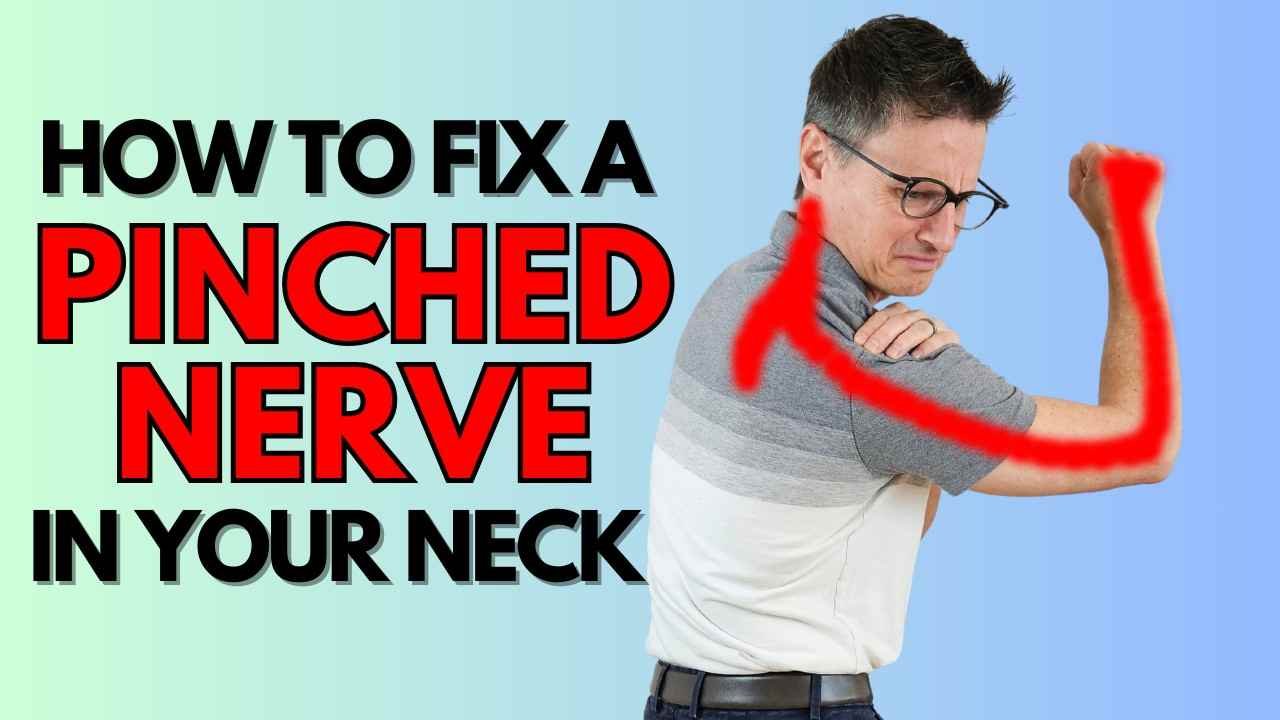
A pinched nerve in the neck is what occurs when nearby tissues, for example, muscles, joints, discs, or inflamed structures, put pressure on a nerve root. This may cause symptoms like the following:
- Sharp neck pain
- Tingling in the shoulder or arm
- Numbness in fingers
- Muscle weakness
- Limited neck rotation
- Headaches at the back of the skull.
Poor posture is a very common issue. This is commonly seen in people who look at their phones and use laptops without supportive equipment, which also includes bad sleep positions. Over time, what is often found is that tight muscles in the neck and shoulders develop, which in turn put more pressure on nearby nerves. In many cases, pinched nerve in neck treatment at home remedies and exercises are often explored as practical ways to ease stiffness, improve posture, and reduce pressure on the affected area.
Home Remedies That May Reduce Neck Nerve Irritation
Home care is for reducing inflammation, relaxing tight muscles, and improving alignment.
Cold and Warm Compresses
In the first 24-48 hours cold therapy may help to reduce inflammation of irritated tissues. Use an ice pack wrapped in a cloth for 15-20 minutes.
After you recover from the initial pain, you’ll notice that heat helps to ease stiff muscles. Try out a heating pad or a warm towel on your neck, which in turn will increase blood flow and reduce tightness.
Supportive Sleep Position
Sleeping on the stomach may cause the neck to twist abnormally over time, and instead it’s best to sleep on your back or side with a quality pillow that helps keep your neck in proper alignment.
Gentle Rest Without Full Inactivity
Short breaks are good for when flares happen, but full-on inactivity may in fact worsen stiffness. Moving a little throughout the day helps prevent muscles from tightening.
Helpful Neck Exercises for Mild Pinched Nerve Symptoms
Gentle activity may also improve your posture and muscle balance, which in turn will reduce pressure.
Chin Tucks
This easy move corrects forward head posture.
- Sit upright
- Pull the chin straight back
- Keep eyes level
- Hold for 5 seconds
- Repeat 10 times
This, in turn, tightens up the deep neck muscles and lessens the strain on cervical joints.
Shoulder Blade Squeezes
Tight upper back muscles can aggravate neck nerve pain.
- Sit or stand tall
- Pull shoulder blades together
- Hold for 5 seconds
- Repeat 10–15 times
This improves posture and reduces neck strain.
Side Neck Stretch
A gentle stretch may relieve muscle tension.
- Tilt one ear toward the shoulder
- Hold 15–20 seconds
- Repeat on the other side
- Avoid forcing the movement
Gentle movement is the key, not aggressive stretching.
Why Legs and Feet Ache After Long Hours of Standing
Many reports of leg and foot pain from standing for long stretches, which is true for retail, health care, factory workers, teachers, and hospitality staff. This is seen as a common issue in which the body’s muscles, joints, and blood flow are constantly stressed.
Common reasons include:
- Muscle fatigue
- Poor footwear support
- Reduced blood return from legs
- Swelling in feet and ankles
- Tight calves and hamstrings
- Hard floor surfaces
Calf muscles function as pumps, which do so to return blood to the heart. If movement is reduced, blood and fluid may pool in the lower legs, which in turn causes a heavy and sore feeling, often leading to achy legs and feet after standing all day.
Home Relief for Tired Legs and Feet
Simple home remedies may reduce your symptoms the following day.
Elevate the Legs
Lifting legs over heart level for 15 to 20 minutes gets fluid to drain from swollen tissue. This in turn reduces pressure in the ankles and feet.
Warm Foot Soak
A warm bath works to relax foot muscles after long periods of standing. Some people prefer Epsom salt, but for most the heat is the main benefit.
Self-Massage
Massaging the legs at the calf, arch, and heel area is for better circulation and to also stretch out that tight tissue. A tennis ball works to release tension when rolled under the foot.
Stretches That Help Leg Fatigue
Calf Stretch
- Stand facing a wall
- Step one foot back
- Press the heel down
- Hold for 20–30 seconds
- Repeat both sides
This decreases what is built up in the legs during stand transitions.
Hamstring Stretch
Tight hamstrings play a role in posture and also work out leg fatigue.
- Sit with one leg straight
- Reach gently toward the toes
- Hold for 20 seconds
Ankle Pumps
Ankle movement increases circulation, which in turn improves blood flow mainly post work.
- Point toes away
- Pull them back
- Repeat 20 times
This easy action improves blood flow and lessens swelling.
Prevention Tips for Daily Comfort
Prevention of pain is usually a simpler solution than treatment.
Improve Workstation Posture
For neck pain, try to keep screens at eye level and do not cradle phones between your ear and shoulder.
Wear Supportive Shoes
For foot and leg tiredness, try out shoes that have cushioning and arch support; that may make a great difference also on hard surfaces.
Take Micro-Breaks
Even at the 1-2 minute mark every half hour, you will see improvement in neck stiffness and in leg circulation.
Strengthen Supporting Muscles
Core, upper back, glute, and calf strength play a role in better posture and reduced daily strain.
At What Point Does Home Care Fall Short?
While for many mild symptoms rest, stretching and postural improvement is enough, persistent numbness, weakness, severe pain or swelling should be paid attention to. Ongoing symptoms may in fact be a red flag for more serious issues which include disc problems, nerve compression, circulation issues or joint stress.
Listening to what the body is telling you is the first step in prevention of minor issues from turning into long term problems. Also with consistent movement, smart recovery practices and supportive postural techniques the best results are often seen in terms of staying active and comfortable.