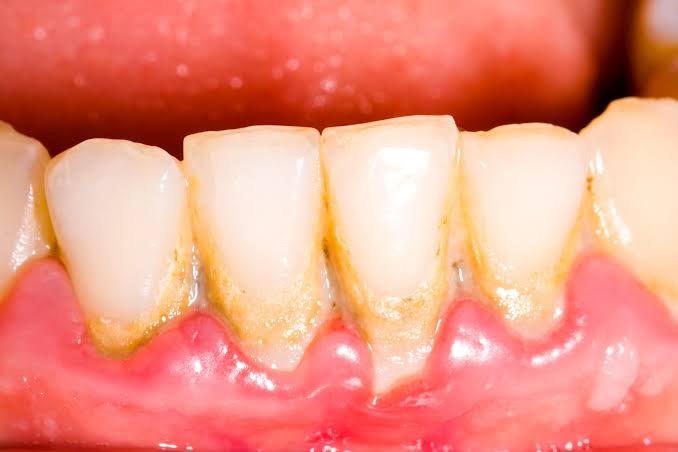
Plaque leads to gum disease when a sticky bacterial film accumulates on teeth and triggers inflammation in the gum tissue. Nearly 7 out of 10 adults in the United Kingdom show early signs of gum inflammation at some point in their lives. This process often begins quietly without pain which means many people are unaware damage is developing.
If plaque is not removed regularly it hardens into tartar which increases irritation and allows bacteria to spread below the gumline. Over time this can progress into more serious infection affecting the supporting structures of the teeth.
What is plaque and why does it form?
Plaque is a soft sticky layer made up of bacteria, saliva and food particles that constantly forms on teeth throughout the day. It develops more quickly when oral hygiene is inconsistent or when diets are high in sugars and refined carbohydrates.
Bacteria within plaque feed on these sugars and produce acids that irritate the gums and weaken enamel. A further statistic shows that around 45% of adults in the United Kingdom admit to not brushing twice daily which increases plaque build up significantly.
If plaque is not removed within a short period it begins to harden into tartar which cannot be removed by brushing alone. This creates a rough surface where more bacteria can collect making the problem worse over time. Saliva composition and reduced saliva flow during sleep can also influence how quickly plaque accumulates overnight.
How does plaque turn into gum disease?
When plaque remains along the gumline it causes the body to respond with inflammation as it attempts to fight off bacterial toxins. This early stage is known as gingivitis and is reversible if treated quickly. However if ignored the inflammation spreads deeper below the gumline and begins to damage connective tissue and bone that support the teeth.
At this stage gum pockets form which trap even more bacteria and make cleaning increasingly difficult. Studies indicate that nearly 30% of people who experience untreated gingivitis progress to more advanced periodontal issues within a few years.
The transition is often painless which is why regular dental checks are essential for early detection. Factors such as smoking, diabetes and stress can accelerate this progression by weakening the body’s immune response to bacterial challenge.
What early signs should you watch for?
Early gum disease often presents with subtle changes that are easy to overlook. Common signs include bleeding when brushing or flossing, persistent bad breath and gums that appear slightly swollen or tender. Some people also notice that their gums begin to recede making teeth look longer than usual.
Another warning sign is increased sensitivity when eating hot or cold foods. These symptoms may come and go which can create a false sense of improvement even though the underlying issue is progressing.
Recognising these signs early is important because intervention at this stage can prevent long term damage to the supporting bone structure of the teeth. People may also notice a slight change in bite alignment if gum support begins to weaken over time.
What can you do to stop it early?
Preventing progression of plaque related gum problems requires consistent daily oral hygiene and regular professional care. Brushing twice a day using a fluoride toothpaste helps disrupt bacterial films before they harden. Cleaning between the teeth using interdental brushes or floss is equally important as plaque often builds up in areas a toothbrush cannot reach.
Regular dental visits allow early detection and removal of tartar which cannot be eliminated at home. For individuals already showing early signs of inflammation seeking periodontal disease help from a dental professional can prevent further deterioration.
Diet also plays a role as reducing sugar intake limits the food source for harmful bacteria. Drinking water after meals can help wash away debris and reduce acid levels in the mouth.
In cases where infection has already developed, targeted gum disease treatment may include deep cleaning procedures known as scaling and root planing to remove bacteria from beneath the gumline and allow tissues to heal naturally. Consistency is more effective than occasional intensive cleaning routines.