
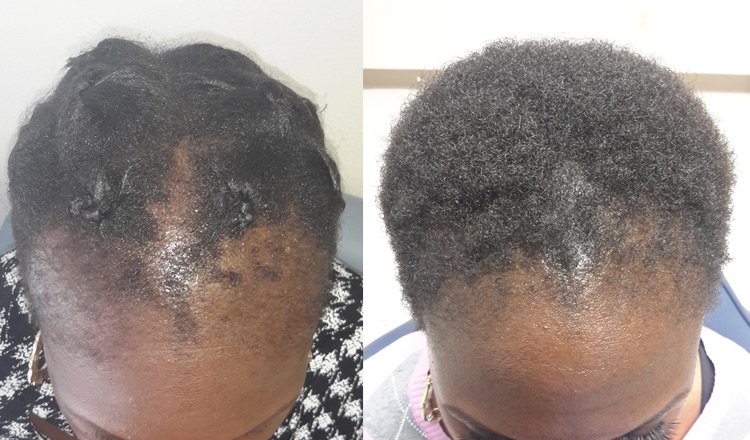
For many individuals in the USA dealing with hair loss, the search for a permanent solution often leads to the global hub of hair restoration: Turkey. However, for those with Afro-textured hair, the journey is significantly more complex. The unique C-shaped follicle and tight curl pattern of 4C hair require a level of technical precision that differs fundamentally from straight-hair procedures.
When this procedure is performed correctly, the results are life-changing. When performed by a team lacking specific experience in textured hair, the risk of graft damage and poor density increases. To ensure a successful outcome, prospective patients must treat the consultation phase as a rigorous interview.
Here are the essential questions every patient should ask before booking an Afro hair transplant.
1. Technical Proficiency: Mastering the “C-Curve”
The most significant difference in Afro hair transplants is the shape of the follicle beneath the skin. While straight hair grows relatively vertically, Afro hair curves. If a surgeon uses a standard extraction tool without adjusting for this curve, they risk “transection”—slicing the bulb and killing the hair.
“What specific tools do you use for Afro-textured extraction?”
A standard micro-punch may be too narrow for a curved Afro follicle. Leading specialists, such as those at Turkey Hair Center, often utilize slightly wider punches or specialized “serrated” tips that allow for a safer margin of error during extraction.
“How do you minimize the transection rate?”
In straight hair, transection rates are typically below 3%. In Afro hair, this can skyrocket if the technician is inexperienced. Ask for a specific explanation of their “manual” vs. “motorized” extraction philosophy for textured hair.
2. Aesthetic Design: The “Natural” Hairline
The hairline for an Afro-descendant patient often follows different anatomical rules than those of Caucasian or Asian patients. A hairline that is too straight or too low can look “artificial” and age poorly.
“Can you show me long-term results of patients with my specific hair grade?”
It is vital to see “Before and After” photos of patients with 4A, 4B, or 4C hair. Pay close attention to the direction of the hair growth. Does the transplanted hair follow the natural “swirl” of the original hair?
“How do you determine the implantation angle?”
Because Afro hair is coily, the way it is angled into the scalp determines how much “coverage” it provides. A surgeon must understand how to place grafts so that the natural curl provides maximum volume without looking “pluggy.”
3. Safety and Medical Protocols
Turkey has become a world leader in medical tourism, but the quality of facilities varies. For patients traveling from the USA, ensuring a sterile and professional environment is paramount.
“Is the surgery performed in a JCI-accredited hospital?”
High-end providers like Turkey Hair Center operate within accredited hospital environments. This ensures that the facility meets international standards for sterilization and emergency preparedness.
“What is the protocol for Keloid scarring?”
Patients of African descent are statistically more prone to keloid scarring (raised, thick scars). A specialized surgeon should evaluate your donor area and medical history specifically for this risk before proceeding.
4. The Recovery Timeline: Managing Expectations
The “Ugly Duckling” phase—where transplanted hair sheds before regrowing—can be more pronounced with Afro hair.
“What is the post-op moisture protocol?”
Afro hair is naturally prone to dryness. Ask if the clinic provides specific medical oils or sulfate-free foams to keep the scalp hydrated during the first 10 days of healing.
“When is it safe to get a fade or use clippers?”
Using clippers too early can damage the delicate new grafts. Most experts recommend waiting at least six months for a close shave or fade on the recipient area, though the donor area can often be trimmed sooner.
5. Logistics and Post-Travel Support
For a US-based patient, the “aftercare” happens thousands of miles away from the clinic.
“How do you handle long-distance follow-ups?”
A reputable clinic should have a structured digital follow-up system. This usually involves sending photos at the 1, 3, 6, and 12-month marks to a dedicated patient coordinator.
What is the policy for a ‘touch-up’ session?”
While a successful transplant should last a lifetime, occasionally a small area may require more density. Inquire about the clinic’s guarantee policy regarding graft survival rates.
Comparison: USA vs. Specialized Turkish Clinics
|
Feature |
Typical USA Experience |
Specialized Turkey Experience |
|
Technique |
Often standard FUE |
Modified FUE/DHI for C-Curve follicles |
|
Cost |
$12,000 – $25,000 |
$2,500 – $5,000 (All-Inclusive) |
|
Specialization |
Generalist |
High-volume Afro-hair expertise |
|
Aftercare |
In-office visits |
Remote digital monitoring |
Conclusion: Due Diligence is Key
Traveling to Turkey for a hair transplant offers a unique opportunity to access world-class expertise at a fraction of the cost found in the USA. However, the success of an Afro hair transplant is entirely dependent on the surgeon’s understanding of the unique biology of curly hair.
By asking these targeted questions, patients can move beyond marketing claims and find a medical team that truly understands the “Science of the Coil.” Whether it is a hairline restoration or filling in areas of traction alopecia, the right answers will lead to a result that is both natural and permanent.