
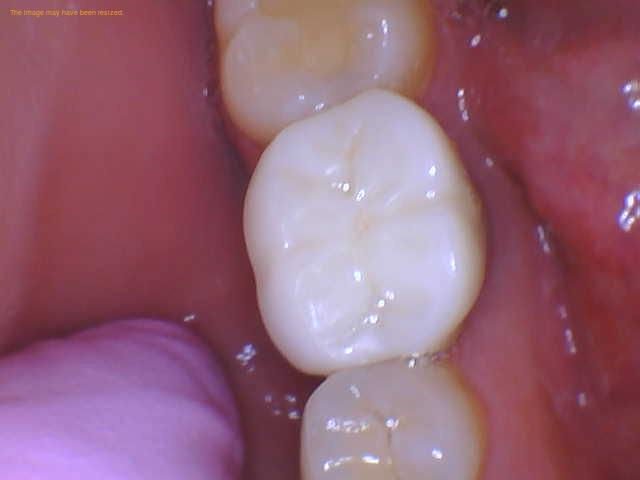
Experiencing gum pain after implant crown placement is a common concern for patients undergoing dental restoration. Many people wonder whether this discomfort is normal, how long it should last, and when it might indicate a complication. After placing a dental implant crown, the gums and surrounding tissues need time to heal, and mild soreness is part of the normal recovery process. Healing typically occurs over a few days to a couple of weeks, during which inflammation and tenderness can occur. Understanding the causes and appropriate care can help you manage pain effectively and protect your investment in your oral health.
If you notice persistent discomfort or severe pain after dental implant crown, it’s essential to recognize whether the symptoms are part of normal healing or a sign of a more serious issue. In this article, we’ll explore the reasons behind gum pain, what you can do at home, and when to consult a professional.
Is Gum Pain After Implant Crown Placement Normal?
Mild sore gums after implant crown placement is a standard part of the healing process. After surgery, your gums may be inflamed, tender, or slightly sensitive, which generally subsides within the first few days. This type of pain is usually manageable with basic home care and over-the-counter pain relief.
However, not all pain is considered normal. Severe, persistent, or worsening discomfort, especially when combined with swelling, bleeding, or pus, may indicate complications such as infection or implant issues. Typically, healing after implant crown placement follows this timeline:
First 3–5 days: Mild soreness and inflammation peak.
1–2 weeks: Pain should gradually decrease, and gum tissue begins to firm up.
Beyond 2 weeks: Persistent or increasing pain may require dental evaluation.
Understanding the difference between normal post-procedure sensitivity and abnormal symptoms is key to maintaining a healthy implant.
Common Reasons for Gum Pain After Implant Crown Placement
After receiving an implant crown, your gums may experience pain or sensitivity. Understanding the common causes of this discomfort can help you manage it effectively and prevent further complications.
Improper Crown Fit or Bite Issues
One of the most frequent causes of dental implant crown pain reasons is an uneven bite or an improperly fitted crown. If the crown is too high or does not align with your other teeth, it can put excess pressure on the gums and implant, leading to discomfort when biting or chewing.
Gum Irritation or Inflammation
Gum irritation is common after crown placement. The tissues around the implant may react to the procedure with mild inflammation. Daily brushing and flossing can help, but over-aggressive cleaning too soon may worsen soreness. Inflammation around dental implant sites is often temporary and resolves as the tissue adapts.
Infection Around the Implant (Peri-Implantitis)
A more serious cause of gum pain is infection, known as “peri-implantitis”. This condition involves inflammation and bacterial buildup around the implant, which can cause swelling, redness, bleeding, or discharge. Peri-implantitis symptoms may also include persistent pain or a bad taste in the mouth. Early detection is critical to prevent implant failure.
Allergic Reaction or Material Sensitivity
Although rare, some patients may experience an allergic reaction to the materials used in the crown, such as metal alloys or acrylic. Sensitivity can manifest as localized gum pain or redness. Discussing material options with your dentist before placement can reduce this risk.
Nerve Irritation
In some cases, the implant procedure can irritate nearby nerves, causing temporary discomfort or tingling in the gums. This usually resolves as healing progresses but should be monitored to ensure it does not indicate nerve damage..
Signs Your Gum Pain May Be Serious
Pay attention to the following red flags that require immediate dental evaluation:
- Persistent swelling or redness around the implant
- Bleeding or pus discharge
- Severe or worsening pain despite home care
- Loose crown or implant mobility
- Fever, foul taste, or unusual odor
Early detection of these signs is very important, and if you notice any of them, be sure to visit a local dentist. For example, if you live in Arlington, you can seek evaluation and treatment at a trusted provider of Dental Implant in Arlington.
How to Relieve Gum Pain After Implant Crown Placement
Several at-home strategies can help manage mild discomfort
- Rinse with warm saltwater to reduce inflammation
- Apply a cold compress to ease swelling
- Stick to a soft diet while gums heal
- Brush gently around the implant, avoiding aggressive scrubbing
- Floss carefully to remove trapped debris
- Use over-the-counter pain relief such as ibuprofen or acetaminophen
- Take dentist-prescribed antibiotics if an infection is detected
- These steps can help minimize pain after dental implant crown placement and support healthy gum recovery.
When to See a Dentist
You should contact your dentist if:
- Pain persists beyond two weeks
- Swelling, pus, or bleeding develops
- The crown feels loose or unstable
- Fever or systemic symptoms occur
Early intervention can prevent implant failure and ensure your Dental Crowns function correctly.
Frequently Asked Questions
- Is it normal to have gum pain after implant crown placement?
Yes, mild discomfort is common as the gums adjust, but it should improve within days.
- How long does gum pain last after getting a dental implant crown?
Typically 3–14 days. Longer pain may signal a problem.
- Why does my implant crown hurt when I bite down?
It may be due to an uneven bite or improperly fitted crown.
- Can gum pain mean my implant is failing?
Not always, but persistent pain with swelling or mobility could indicate complications.
- Can food get stuck around the implant crown and cause pain?
Yes, trapped debris can irritate gums and lead to inflammation.
Conclusion
Gum pain after implant crown placement is often a normal part of the healing process. Mild soreness and inflammation generally resolve within a few days to two weeks. Early attention to unusual symptoms ensures your implant stays functional and pain-free.