
Cognitive Behavioural Therapy can make a real difference with ADHD by improving attention control, emotional regulatio, and daily functioning in a structured and practical way. Around 60% of adults with ADHD report noticeable improvements in organisation and task completion when psychological therapies are combined with structured support.
This approach does not aim to remove ADHD traits but instead helps people work with their thinking patterns in a more manageable way. Many individuals experience challenges with distraction, impulsivity and inconsistent motivation which can affect work, education and relationships. CBT provides a framework that helps break down these challenges into more workable steps.
What is CBT and how does it relate to ADHD?
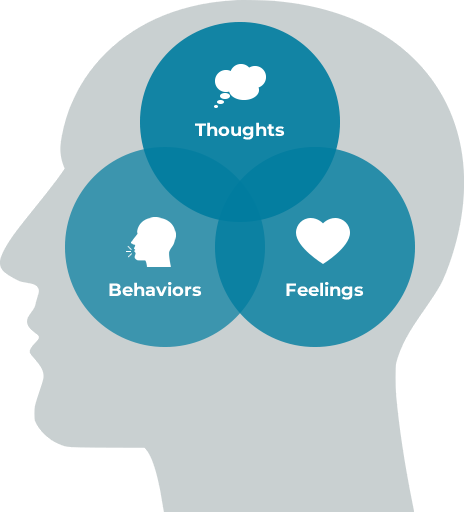
Cognitive Behavioural Therapy is a structured talking therapy that focuses on the connection between thoughts, feelings and behaviour. In ADHD it is used to help individuals identify unhelpful thought patterns that can make difficulties feel more overwhelming.
For example, a person may assume they will fail a task before starting it which leads to avoidance and increased stress. CBT encourages practical reframing so tasks feel more achievable and less mentally demanding. This approach is often included within ADHD therapy and support programmes because it focuses on everyday strategies.
It is especially helpful for adults who have developed long standing habits of disorganisation or self criticism. A key principle is building awareness of how thoughts influence actions so that small behavioural changes become easier to sustain over time.
How does CBT change thought patterns and behaviour?
CBT works by helping individuals recognise automatic thoughts that can distort perception of ability or control. People with ADHD often experience rapid shifts in attention which can contribute to frustration and self doubt.
One widely referenced clinical observation suggests that around 50% of individuals engaging in structured CBT programmes for ADHD report improved emotional regulation within a few months of consistent practice. This is partly because CBT introduces techniques such as breaking tasks into smaller steps and challenging negative predictions.
Over time these techniques help reduce the intensity of reactive thinking and encourage more deliberate responses. In some cases therapy can help with overthinking by slowing down mental processes and replacing spiralling thoughts with more grounded alternatives. This does not eliminate ADHD traits but it does reduce the impact they have on daily decision making.
Can CBT improve focus and organisation?
CBT can improve focus and organisation by teaching practical systems that support executive functioning skills. Individuals are often guided to use routines, reminders and structured planning methods that reduce reliance on memory alone.
Research from adult ADHD programmes suggests that around 45% of participants report improved time management skills after engaging in CBT based interventions for several weeks. These improvements are not immediate but develop through repetition and reinforcement of new habits.
For example, learning to prioritise tasks using clear categories can increase productivity. CBT also addresses procrastination by identifying emotional barriers such as fear of failure or low confidence.
Once these barriers are recognised they become easier to challenge with realistic and achievable steps. Focus improves not by forcing attention but by creating environments and habits that support sustained engagement.
The bottom line
Cognitive Behavioural Therapy can make a real difference with ADHD by offering structured tools that improve thinking patterns, organisation and emotional control. It is not a cure but it provides practical strategies that make everyday life more manageable.
By focusing on small behavioural adjustments and realistic goal setting, individuals can build confidence in their ability to complete tasks and manage time effectively. The strength of CBT lies in its adaptability and its focus on real world challenges rather than theoretical ideas. When combined with consistent support and structured routines it becomes a valuable part of long term ADHD management.