Maybe it starts on a family road trip, when a sibling complains about a strange scraping sound from the back seat during a nap. Or maybe you peek in after bedtime and hear a steady clicking coming from your child’s pillow. For many parents in Greenville, SC, that’s their first introduction to teeth grinding in children, and it can be unsettling to hear.
The encouraging part is that grinding is common in kids and often fades without treatment. Still, knowing why it happens and what to watch for helps you decide whether to wait it out or get it checked. Parents often bring this exact question to the team at Creston Dental & Braces, and the answer is usually calmer than they expect.
The Short Version for Busy Parents
- Nighttime grinding, also called bruxism, shows up in plenty of kids and frequently eases as their adult teeth settle in.
- Jaw growth, bite changes, discomfort, stress, and sleep breathing problems can each play a role.
- Morning jaw aches, flattened tooth edges and noisy nights are clues worth tracking.
- A dental exam looks at enamel, bite, and jaw joints so families know whether to monitor or take a next step.
Why Do Kids Grind Their Teeth at Night?
There’s rarely one single cause. In most cases, grinding is tied to normal growth, though a few other factors can contribute. Parents searching why do kids grind their teeth often find that their child’s grinding lines up with a busy stretch of development.
Common reasons include:
- Growing jaws and changing teeth: As baby teeth fall out and adult teeth arrive, the way the upper and lower teeth meet keeps shifting. Grinding can be part of how a child’s mouth adjusts.
- Uneven bite: Teeth that don’t line up smoothly may rub against each other during sleep.
- Discomfort: Earaches or the soreness of new teeth coming in can lead some kids to grind or clench.
- Stress or big changes: A new school year, a move, or a new baby in the house can show up as tension in the jaw.
- Sleep and breathing issues: Snoring, mouth breathing, or enlarged tonsils and adenoids are sometimes linked with grinding.
- Certain medications: Grinding can occasionally be a side effect. Talk with your child’s doctor before changing anything on your own.
Because these triggers come and go, a child might grind for a few months, stop, and start again during the next growth spurt.
What Are the Signs of Teeth Grinding in Kids?
The most obvious clue is the sound, but plenty of kids grind quietly. Since it usually happens during sleep, your child probably won’t know they’re doing it.
Watch for these signs of teeth grinding:
- Scraping, clicking, or gritting noises while your child sleeps
- Complaints of a sore jaw or tired face after waking up
- Headaches near the temples, especially in the morning
- Teeth that look shorter, flatter, or chipped along the edges
- New sensitivity to cold drinks or hot foods
- Jaw fatigue or reluctance to chew harder foods
Siblings who share a room are often the first to report it. If you’re unsure, try listening at the door for a few minutes after your child falls asleep on several different nights.
Is Teeth Grinding in Children Usually Harmless?
Often, yes. For most families, teeth grinding in children is a phase rather than a problem, particularly when it shows up during the years when baby teeth are being replaced.
Grinding tends to fall into the “watch and wait” category when it’s occasional, your child isn’t in pain, and the teeth don’t show noticeable wear. Baby teeth are also temporary, so minor smoothing on them is less concerning than wear on permanent teeth.
It may need attention when the habit continues after adult teeth have come in, when enamel starts to wear down, or when it’s paired with loud snoring or restless sleep. Daytime clenching, where a child tightens their jaw while concentrating or feeling anxious, is also worth mentioning to a dentist. In these situations, ongoing pressure can chip teeth, strain the jaw joint or point to a sleep issue that deserves a closer look.
How Does a Dentist Check a Child’s Teeth and Jaw?
A dental evaluation for grinding is a gentle, hands-on exam with no special preparation required for your child. Here’s what the process typically looks like.
- Before the visit: Jot down what you’ve noticed, including when you hear the grinding, how often it happens, and whether your child snores or wakes up sore. Bring a list of any medications your child takes. These details help the dentist connect the dots.
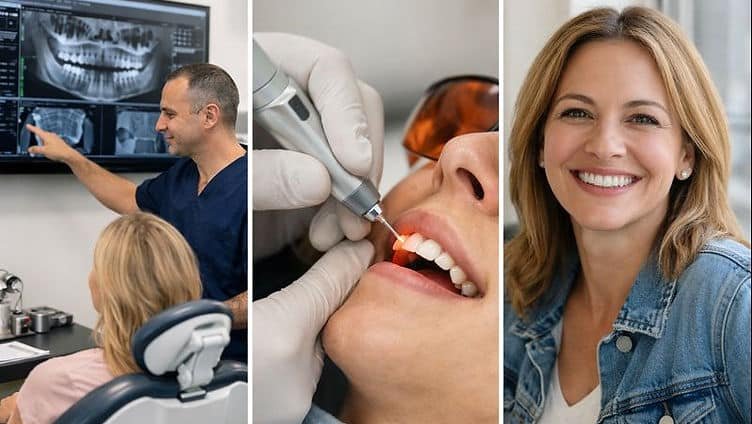
- During the exam: The dentist looks closely at chewing surfaces for flat, shiny or worn spots, along with any chips or small cracks. They’ll gently feel the jaw muscles and the joints in front of the ears while your child opens and closes. They’ll also check how the bite comes together and may take X-rays if they need to see below the surface.
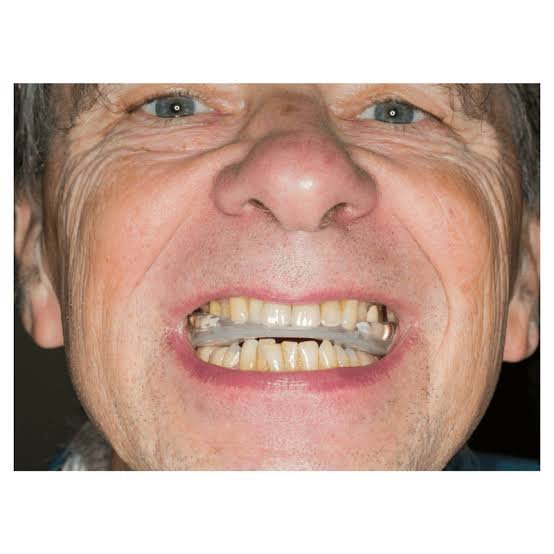
- After the visit and follow-up: There’s no recovery time after an exam. The dentist will explain what they found and suggest a plan, which might be monitoring at regular checkups, adjusting bedtime habits, or a custom night guard for some older children. If breathing during sleep is a concern, they may recommend talking with your child’s pediatrician.
The goal of an exam focused on teeth grinding in children is to measure the effects, not just confirm the habit. Knowing whether enamel or the jaw is affected tells parents how much action, if any, is needed.
When Should You Book a Dental Evaluation for Grinding?
If grinding is your only concern and your child seems comfortable, it’s fine to bring it up at their next routine checkup. Some signs, though, are a good reason to schedule a visit sooner:
- Grinding that happens most nights and doesn’t seem to be easing
- Visible chips, cracks or worn-down tooth edges
- Jaw pain, clicking, popping or trouble opening wide
- Frequent morning headaches or earaches without another clear cause
- Tooth sensitivity that’s new or getting worse
- Loud snoring, gasping or pauses in breathing during sleep
- Noticeable clenching during the day
None of these signs means something is seriously wrong. They simply mean it’s a good time for a trained set of eyes to take a look.
What Can Parents Do at Home to Help?
Small changes to the evening routine can make a difference, especially when stress is part of the picture. A calm wind-down, like reading together, a warm bath or quiet music, gives a child’s body time to relax before sleep.
A few other habits that may help:
- Keep screens off for a while before bed
- Talk through worries earlier in the evening, not right at lights-out
- Offer water instead of sugary or caffeinated drinks in the evening
- Share any snoring or breathing concerns with your child’s pediatrician
Home habits won’t fix a bite issue or repair worn enamel, so they work well alongside regular dental visits.
Helping Your Child Rest Easier
Hearing your child grind at night can feel worrying, but most of the time it’s a normal part of growing up. The key is knowing when a habit has started to leave its mark on teeth, the jaw or sleep. If you’re unsure, a quick exam can settle the question and give you a clear plan.
For families who want guidance on teeth grinding in children, Creston Dental & Braces offers evaluations in Greenville, SC. Working with a kids dentist in Greenville, SC means your child’s growing smile gets watched over time, so small changes are caught early.
Schedule a Visit at Creston Dental & Braces in Greenville, SC
If you’ve noticed grinding sounds, worn teeth, or jaw complaints, the team at Creston Dental & Braces in Greenville, SC can check your child’s teeth and jaw and walk you through the next steps. You’ll find the office at 3 K-Mart Plaza, Greenville, SC 29605. Call (803) 887-0972 to book your child’s dental evaluation.