Many people spend months researching hair transplant clinics in Mumbai, comparing prices, scrolling through before-and-after photos, and reading reviews, only to realize after the procedure that they missed something important. A hair transplant is a surgical decision, and like any medical procedure, the outcome depends as much on preparation and informed choices as it does on the surgeon’s skill. Understanding what can go wrong before, during, and after the process can help patients walk into this experience with realistic expectations and better results.
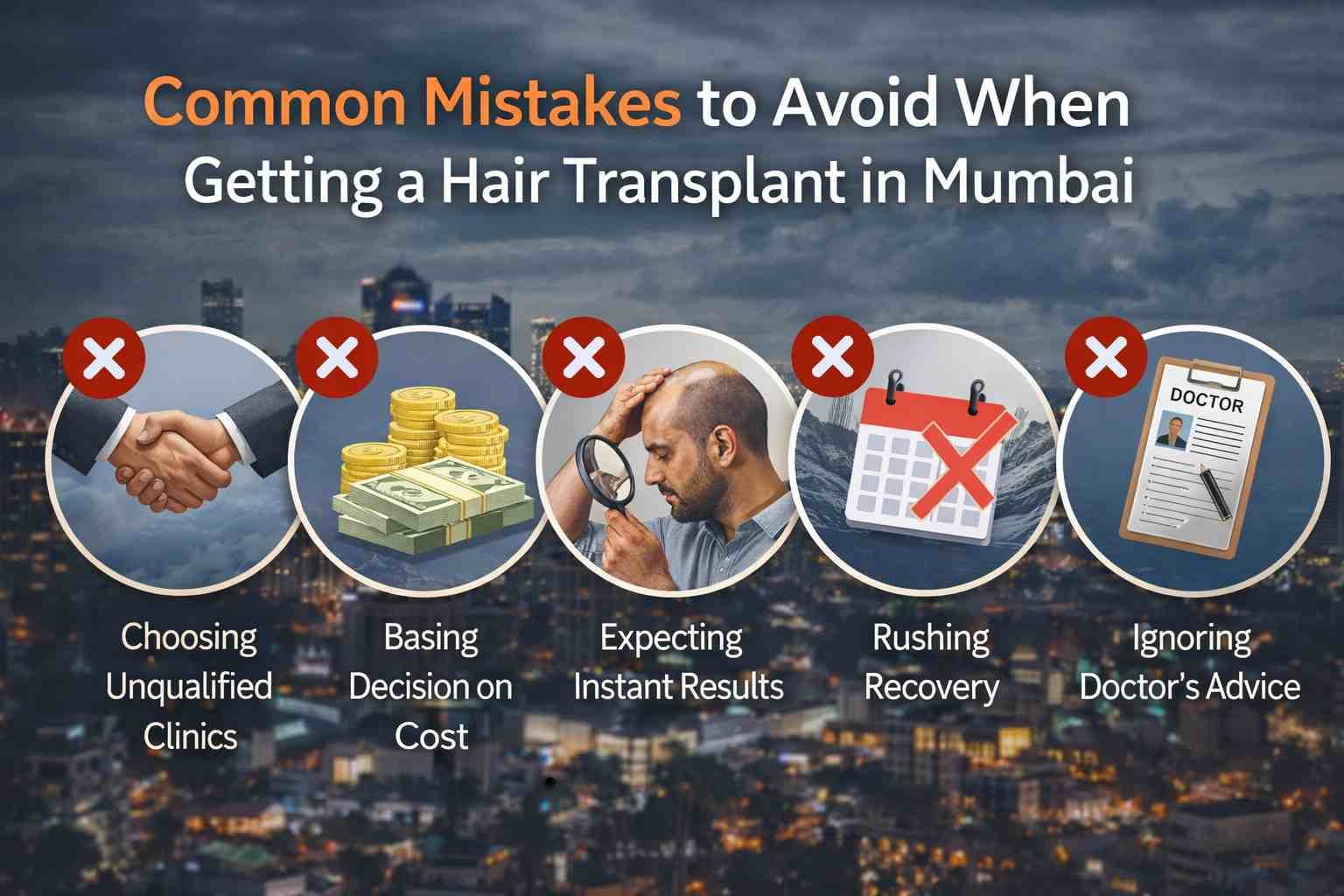
Choosing a Clinic Based on Price Alone
Cost is a legitimate concern, especially in a city like Mumbai, where hair transplant pricing varies widely. However, selecting a clinic primarily because it offers the lowest quote is one of the most common mistakes patients make.
A lower price may reflect:
- Fewer graft quality checks
- Less experienced surgical staff
- Outdated extraction techniques
- Inadequate post-procedure care or follow-up
A hair transplant involves harvesting follicular units from a donor area and implanting them into thinning or bald zones. The precision of this extraction directly affects how well grafts survive after implantation. Compromising on quality at this stage can lead to poor density, patchy results, or graft failure all of which may require corrective procedures that cost significantly more.
Not Getting a Proper Scalp and Hair Loss Evaluation First
Hair loss has many causes androgenetic alopecia, nutritional deficiencies, thyroid imbalances, stress-related shedding, or scarring conditions. A hair transplant is only appropriate when hair loss has reached a stable, assessable stage and the underlying cause has been properly identified.
Patients who skip this evaluation often discover that their hair loss was still progressing at the time of transplant. When that happens, newly transplanted areas may look full while the surrounding native hair continues to thin, creating an unnatural appearance over time.
A thorough pre-procedure workup typically includes a trichoscopy assessment, blood panel, and a detailed review of the pattern and progression of hair loss. Clinics like Kibo Clinics prioritize this evaluation step before any treatment plan is recommended, recognizing that the right diagnosis shapes the entire approach.
Having Unrealistic Expectations About Results
Hair transplants can deliver meaningful, natural-looking improvement but they work within biological limits. The most common source of patient dissatisfaction is not a failed procedure but mismatched expectations.
Key realities to understand:
- Final results typically take 12 to 18 months to fully appear
- Transplanted hair sheds in the first few weeks post-procedure this is normal and expected
- The density achieved depends on the number of grafts available in the donor area
- Patients with limited donor hair may not achieve the same coverage as those with robust donor zones
- A single session may not be sufficient for advanced hair loss
Understanding these timelines and limitations before committing to a procedure allows patients to make a more informed decision and avoid disappointment.
Ignoring Post-Procedure Care Instructions
The implanted grafts are in a fragile state during the first two weeks after surgery. This is the period when most avoidable complications occur. Patients who underestimate the recovery phase often expose their scalps to unnecessary risk.
Common post-procedure mistakes include:
- Washing the scalp too aggressively or too soon
- Returning to intense physical activity within the first week
- Exposing the scalp to direct sunlight without protection
- Sleeping without the recommended head elevation
- Resuming blood-thinning medications or supplements without clearance
Graft survival depends on how well this early healing phase is managed. Following the clinic’s aftercare protocol carefully is not optional it is a direct factor in how well the transplant takes.
Neglecting to Address Ongoing Hair Loss After the Transplant
A hair transplant moves permanent follicles from the donor region to areas of hair loss. However, it does not stop the biological process of androgenetic hair loss in the surrounding native hair. Without a plan to manage ongoing hair loss, which may include medically reviewed options like minoxidil, finasteride, or periodic PRP sessions, patients may find that new areas begin thinning in the years following their procedure.
Discussing a long-term maintenance strategy with a treating physician before the procedure helps set a more complete picture of what the outcome will look like five or ten years down the line.
Final Thoughts
A hair transplant in Mumbai can be a well-considered, effective solution for the right candidate, but only when approached with accurate information and proper medical guidance. The decisions made before the procedure often matter just as much as the procedure itself. Taking time to understand the evaluation process, ask the right questions, set grounded expectations, and follow through with aftercare and maintenance can make the difference between a result that looks natural and lasting and one that requires correction.